
Materials & terminology 3 min read
Energetics Manufacturing: The Components Behind the Finished Device
An energetic cartridge is more than the material inside it. Its housing, seals, assembled components and inspection records are all part of the finished product. At our Grand Junction facility, precision manufacturing, energetic assembly and testing belong to the same conversation. Understanding that work makes it easier to distinguish a material supplier, a component manufacturer and a supplier of finished devices.
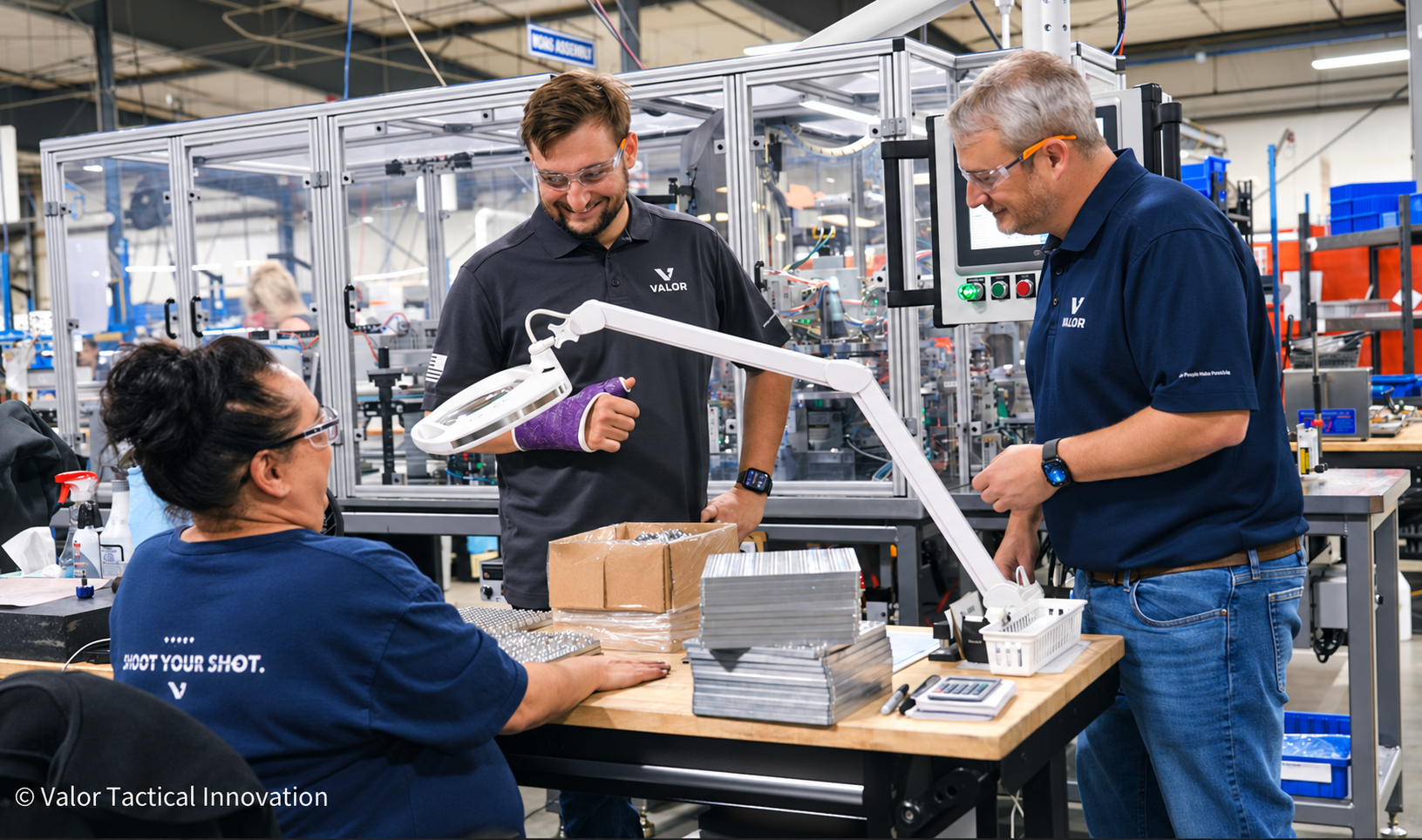
Energetic material is only part of the product
Energetics is the broad field that includes explosives, propellants and pyrotechnic materials. Those terms describe materials or effects; they do not describe every part of a finished cartridge. A cartridge housing, for example, is a manufactured component. The assembled cartridge is a device. Neither term automatically describes the complete system in which the device will operate. Lawrence Livermore National Laboratory
This distinction runs through our energetics portfolio, which includes energetic cartridges, initiators and components. It also explains why a discussion about manufacturing needs to identify the actual item involved, rather than stop at the word “explosives.”
Precision parts, sealing and assembly
The work spans more than one manufacturing discipline. Our published capabilities include precision machining, bridgewire welding, hermetic sealing and assembly. Each describes a different part of the manufacturing scope; listing them together should not obscure the work required at each stage.
For component programs, the conversation may center on manufactured parts and their inspection requirements. For an assembled product, it also includes how the individual parts become a documented deliverable. The manufacturing capabilities page sets out the broader range of work available under one roof.
The records are part of the deliverable
A finished part is not the whole handoff. Materials, processes, inspection and acceptance information need to remain associated with the work. Our quality approach includes lot-level traceability and serialized records, alongside qualification and acceptance documentation.
That documentation gives program teams a way to review what was produced and the evidence accompanying it. General descriptions of manufacturing capability are useful background; the applicable requirements still belong to the particular program. See our quality and testing capabilities for the scope of that support.
Start with a clear manufacturing scope
A useful starting point is the product or component involved, the work being requested, quantities, timing and documentation needs. These details help distinguish a request for a machined component from one for an assembled energetic device.
For readers exploring the terminology, the practical takeaway is simple: material, component, assembly and system are different levels of work. Naming the right level makes the next conversation more useful.