
Missiles & manufacturing 3 min read
Behind Tomahawk: The Manufacturing Network That Keeps a Missile Program Moving
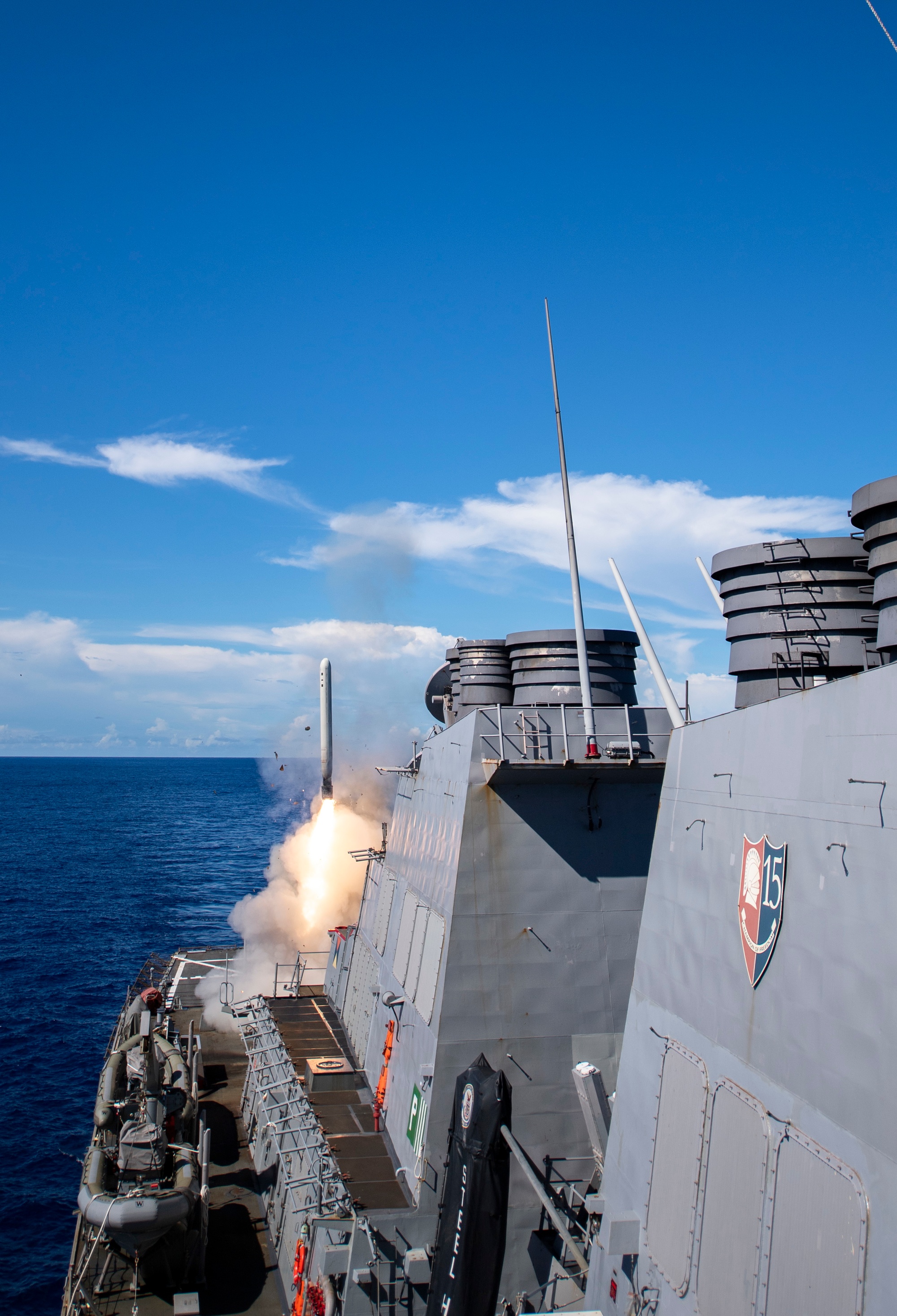
A Tomahawk launch is easy to recognize: a flash above a ship’s deck, a rising column of smoke, a missile disappearing into the sky. The footage lasts seconds. The manufacturing story spans decades—and reaches Grand Junction, Colorado, where Valor Tactical manufactures cartridges that contribute to the Tomahawk program.
The manufacturing network behind the headline
In August 2026, RTX announced a seven-year Tomahawk contract and described plans to expand capacity with hundreds of small and mid-sized suppliers. The announcement pointed to investment in people, facilities, technology and the supply chain.
The contract drew the headline. The supplier network explains something about how the work gets done. A production commitment reaches beyond the final assembly line, into companies with specialized equipment, experienced manufacturing teams and responsibility for the components they deliver. For those businesses, a national defense program becomes a daily production schedule. Read the RTX announcement.
A decades-old program is still changing
Tomahawk first saw operational use in 1991. Its longevity can make it sound like an unchanged piece of hardware. The program’s history tells a different story.
The Navy received its first Block V-configured Tomahawk in 2021. Those initial missiles came from existing Block IV inventory undergoing recertification and modernization, including replacement of life-limited components.
For manufacturers, that distinction matters. A long-running program involves new production alongside the continuing support of earlier equipment. The work extends across production cycles, changing personnel and years of accumulated records. Read the U.S. Navy’s Tomahawk overview.
Where Valor’s cartridges enter the story
Valor Tactical contributes cartridges to the Tomahawk program. That gives the company a direct connection to a system often discussed at the level of ships, missiles and major contracts. It also brings the conversation down to the scale at which a component manufacturer works.
Energetics manufacturing involves more than the energetic material inside a device. Housings, seals, assembled components and inspection records are also part of the finished product. Each represents a distinct piece of manufacturing work.
Across its broader manufacturing portfolio, Valor’s published capabilities include precision machining, bridgewire welding, hermetic sealing and energetic assembly. Explore Valor’s manufacturing capabilities.
The history behind each delivery
A finished cartridge has a visible identity. Its production records preserve information that cannot be seen from the outside.
Lot traceability connects hardware to its manufacturing history. Inspection and acceptance documentation record the evidence accompanying a delivery. Those records remain relevant after a production run ends and a shipment leaves the facility.
Valor’s quality and testing overview describes that emphasis on traceability and documentation. For a manufacturer contributing to established defense programs, the paperwork and the physical product belong to the same story.
The next Tomahawk headline may focus on a contract, a modernization milestone or a launch. In Grand Junction, the connection is more immediate: cartridges manufactured by Valor contribute to that program. Behind the recognizable missile is work performed by companies and people whose names rarely appear in the footage.