
Devices & systems 3 min read
Initiators, Squibs and EEDs: A Component Manufacturer’s Perspective
Initiators, squibs and electroexplosive devices often appear together in program descriptions, but the names are not interchangeable. Our work in this area includes precision components, bridgewire welding and hermetic sealing. Looking at both the terminology and the manufacturing scope helps explain what a component supplier actually contributes.
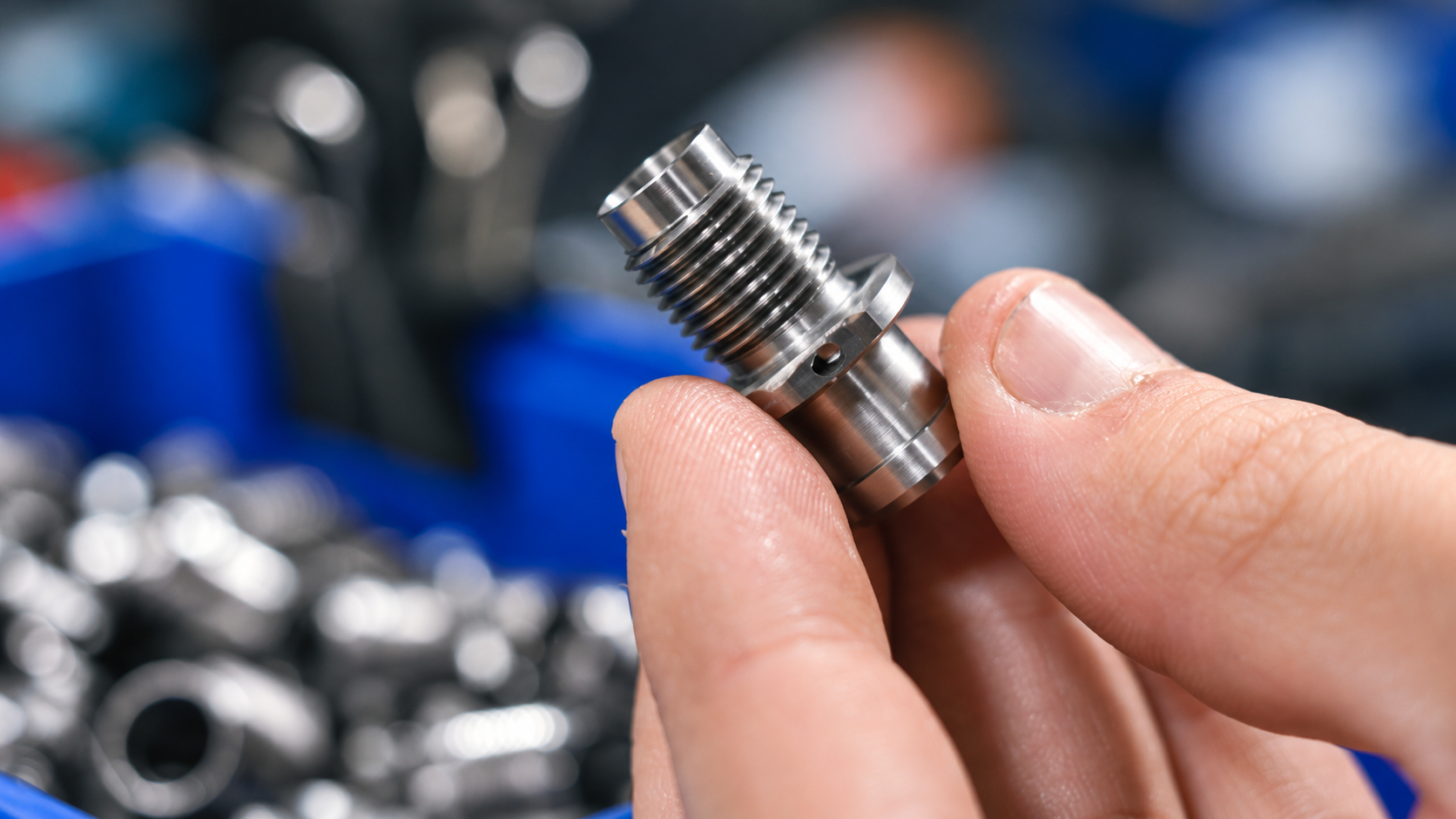
Three names that describe different things
An initiator describes a starting role within an energetic sequence. A squib describes a type of pyrotechnic device. EED—electroexplosive device—identifies electrical initiation. The categories can overlap, but a shared label does not establish that two items are equivalent. NASA safety terminology
The terms also do not identify an entire system. A component can support a larger function without being the complete deployment, propulsion or safety arrangement. That distinction is useful when reading a capability statement or defining a manufacturing requirement.
What sits behind a component capability
Our missile initiator and component work includes precision component manufacturing, bridgewire welding and hermetic sealing. These are specific areas of manufacturing work, rather than a claim to produce every system in which an initiator might be used.
The scope matters. Manufacturing a component, assembling a device and supplying a complete system are different responsibilities. A clear inquiry identifies the item and the requested work so that capability, documentation and program requirements can be discussed at the same level.
The application gives the name context
Squibs appear in more than one setting. The FAA describes them in aircraft fire-extinguishing systems, where they support the release of extinguishing agent. That is an example of a component contributing to a larger function—not a description of every squib or a claim about our product range. FAA aircraft fire-protection overview, Chapter 9
For the same reason, broad terms such as “missile components” need a more specific description before they become a manufacturing scope. Our initiators, squibs and EEDs overview provides an entry point into this part of the portfolio.
Manufacturing capability needs supporting evidence
The discussion should extend to inspection, traceability and the documentation needed at delivery. Those requirements connect the manufacturing work to the program team that will receive it. Our quality and testing overview describes the supporting capabilities.
A useful capability statement is precise about both the work and its limits. The same principle makes technical terminology easier to read: identify the component, understand the stated function, and keep the larger system separate.