
Ordnance & pyrotechnic components
Initiators, squibs, EEDs, impulse cartridges, CAD/PAD devices and explosives, manufactured and tested under one roof for U.S. defense programs.
3M+
Cartridges per year
25M+
Devices delivered
97.7%
First-pass yield, last 24 months
100%
Inspection with lot traceability
Who we are
A defense energetics company and supplier
Valor Tactical is a U.S. defense energetics company and energetics supplier manufacturing explosive ordnance and pyrotechnic components for the U.S. Army, Navy, Air Force and defense prime contractors. Energetic materials processing, component manufacturing, assembly, sealing and qualification testing take place under one roof in Grand Junction, Colorado.
Request a quote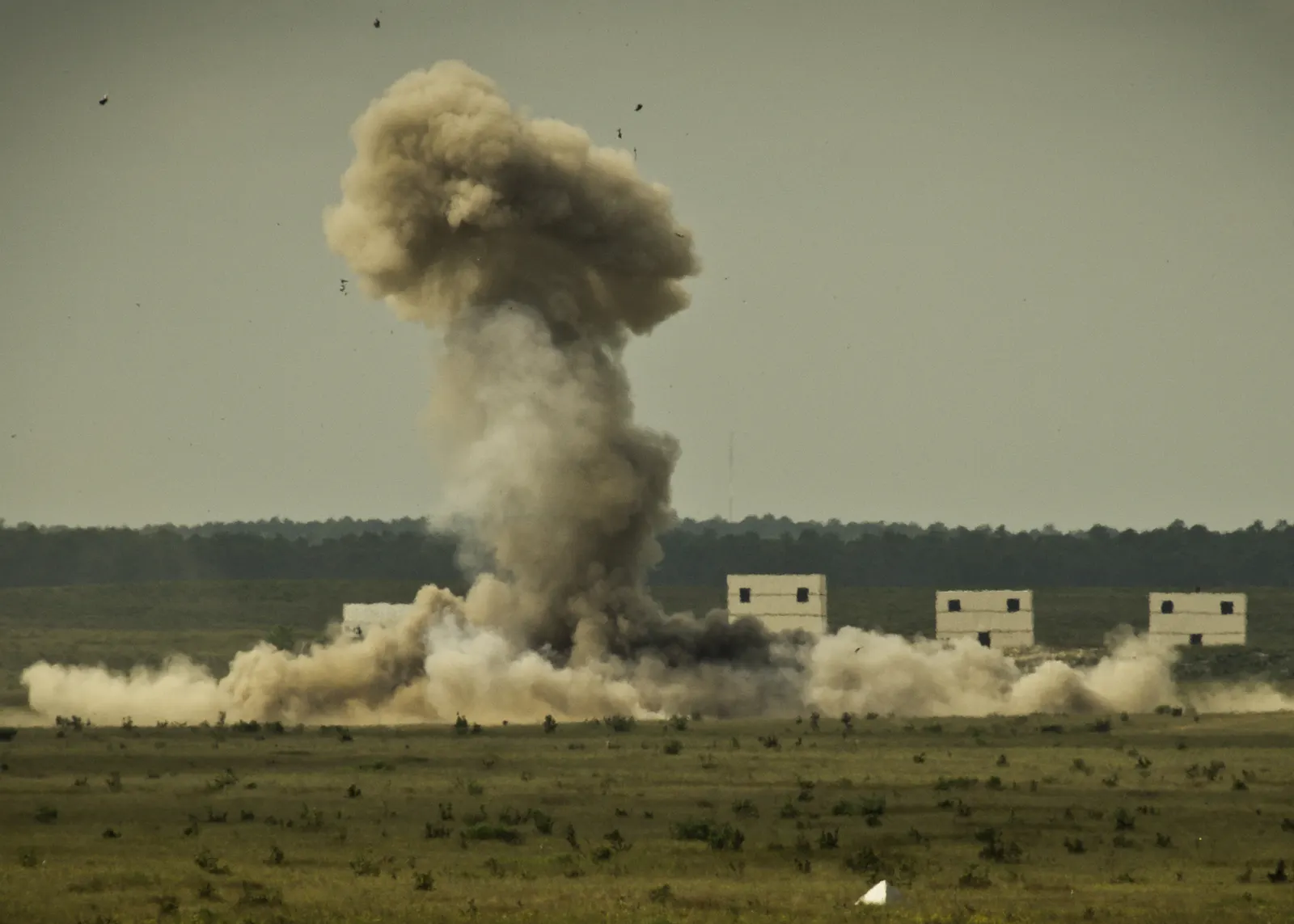
Product lines
Which ordnance and pyrotechnic components does Valor make?
 01
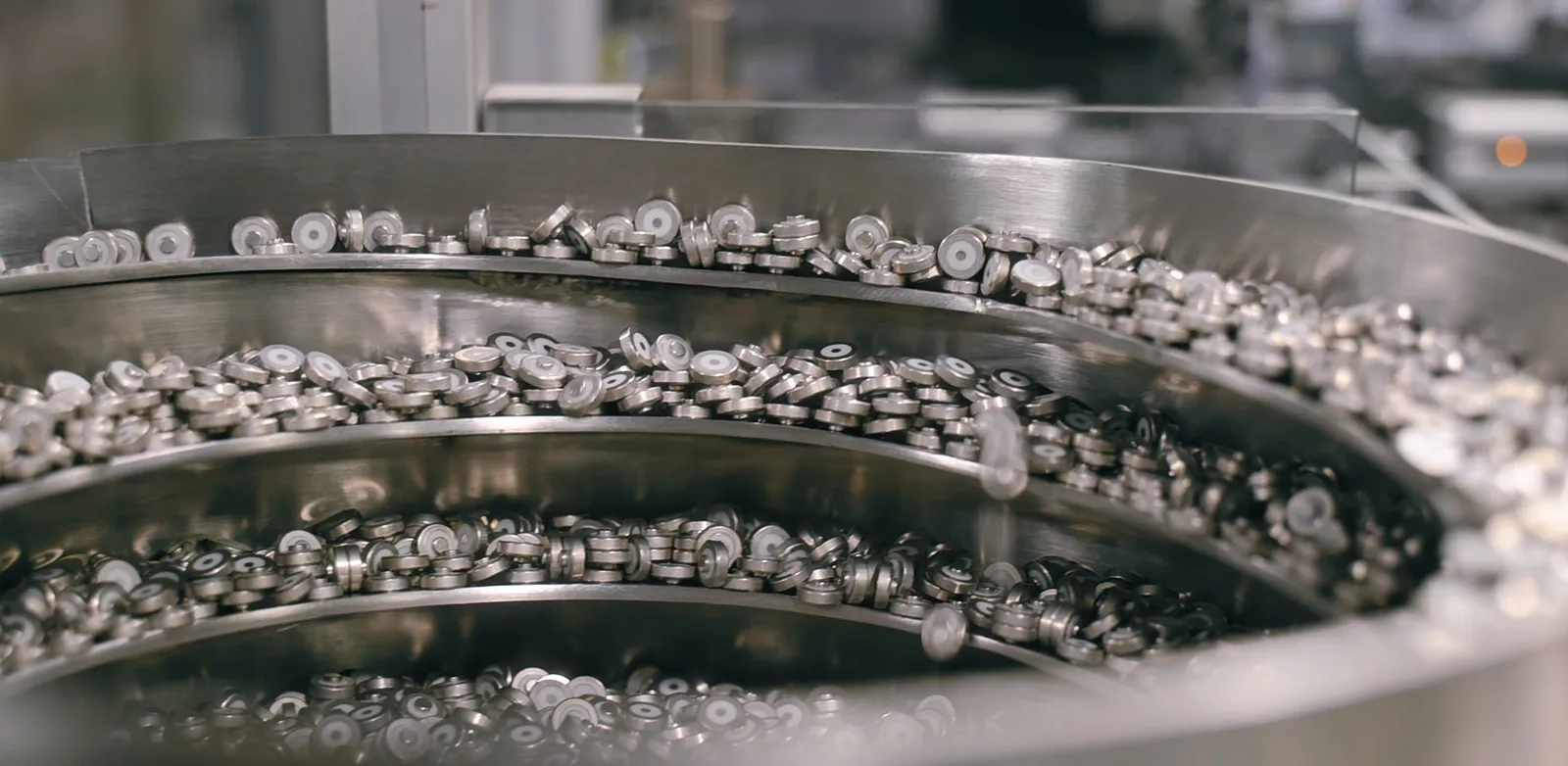
Initiators, squibs & EEDs
Electric initiators, squibs and electro-explosive devices that start the first energetic event in a sequence, with in-house bridgewire welding and glass-to-metal sealing.
View details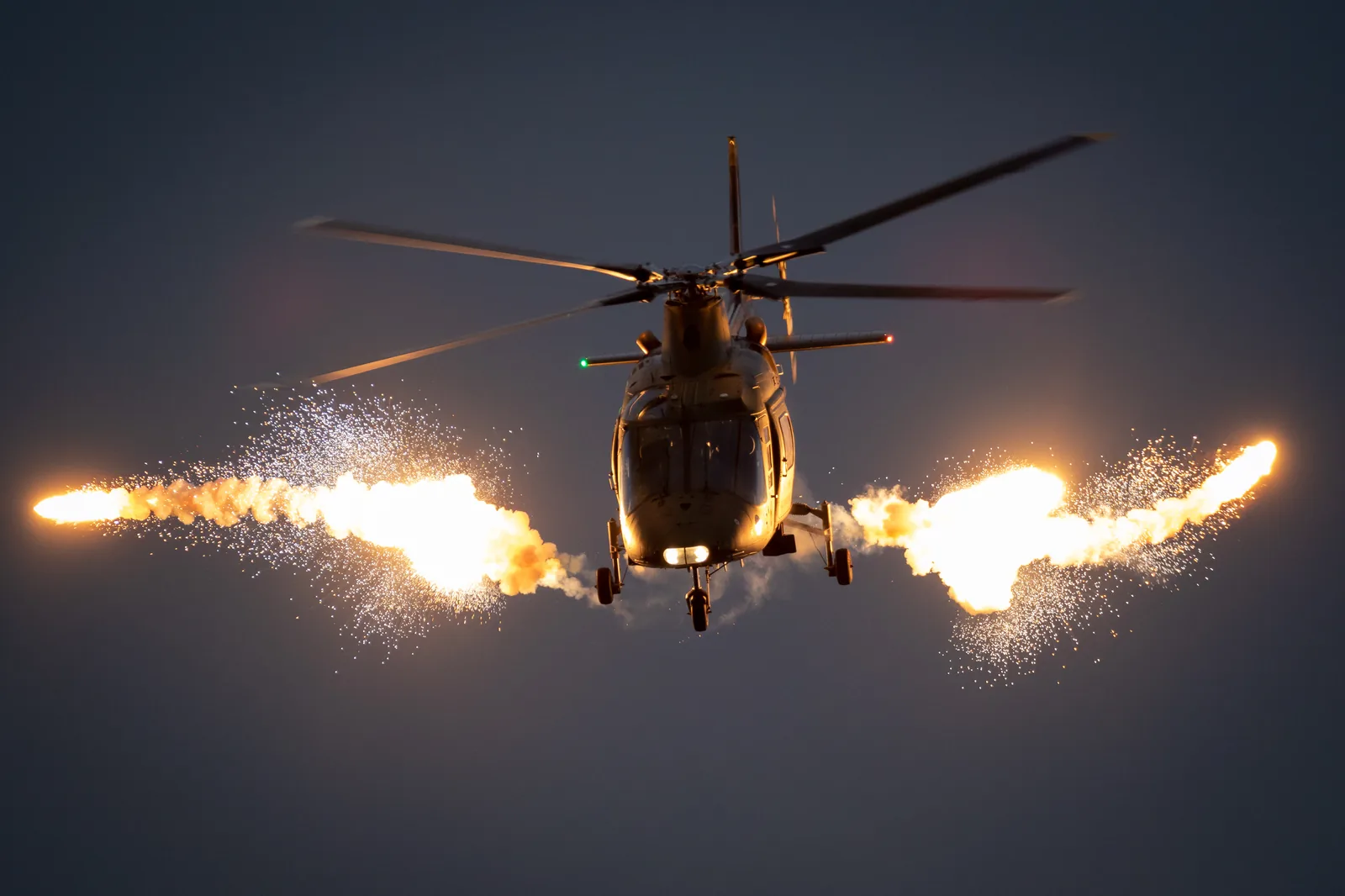 02
Impulse cartridges
CCU-136A/A, CCU-145/A, BBU-36/B and BBU-48A/B cartridges for countermeasure dispensing. Valor is the exclusive U.S. Navy supplier of the CCU-136A/A and CCU-145/A.
View details 03
CAD/PAD devices
Cartridge- and propellant-actuated devices for release, ejection and actuation, including the Mk 107 and Mk 17 stores ejection cartridges.
View details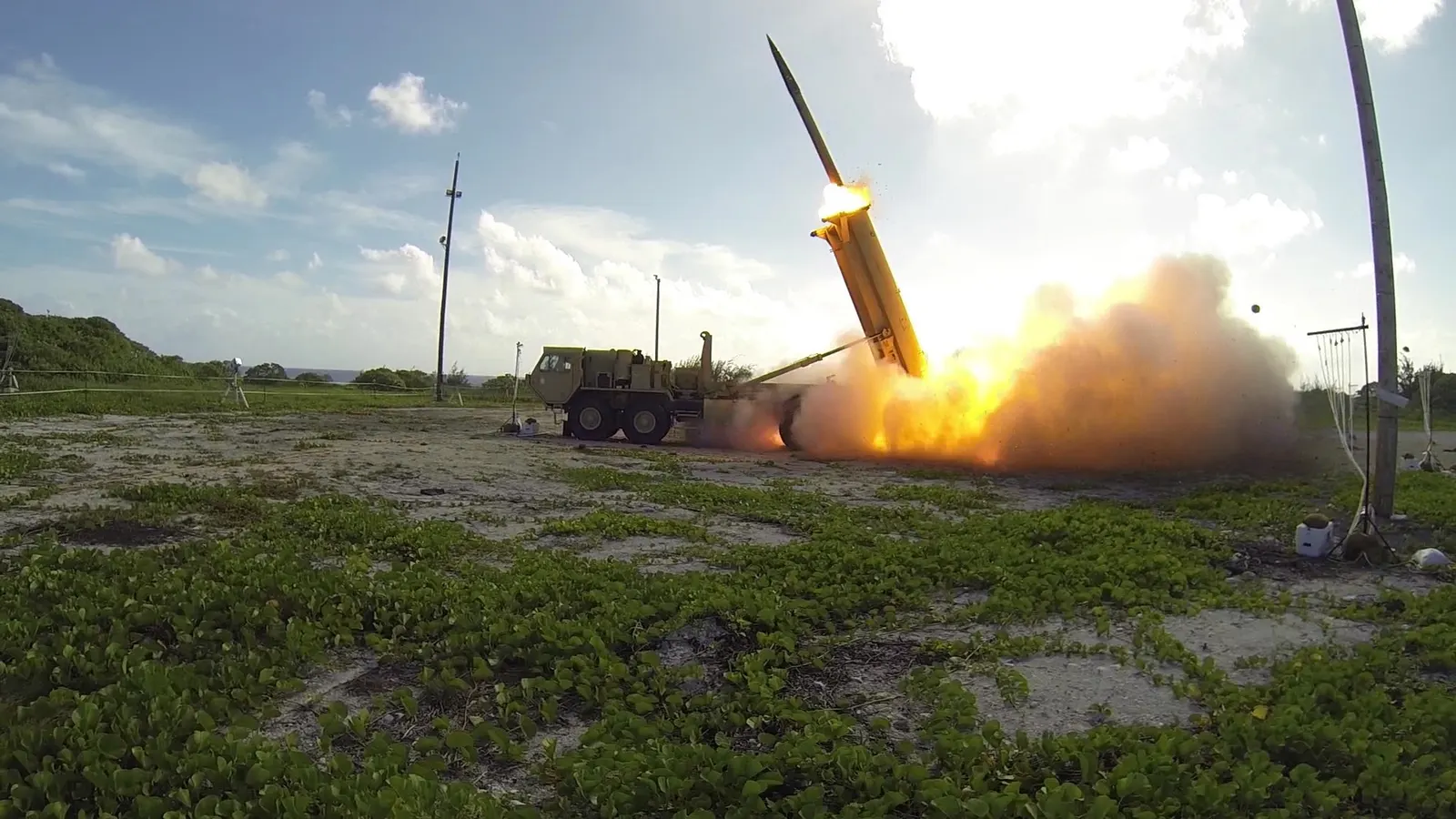 04
Missile initiators & energetic components
Small energetic devices and precision components that start specific functions within larger defense assemblies.
View details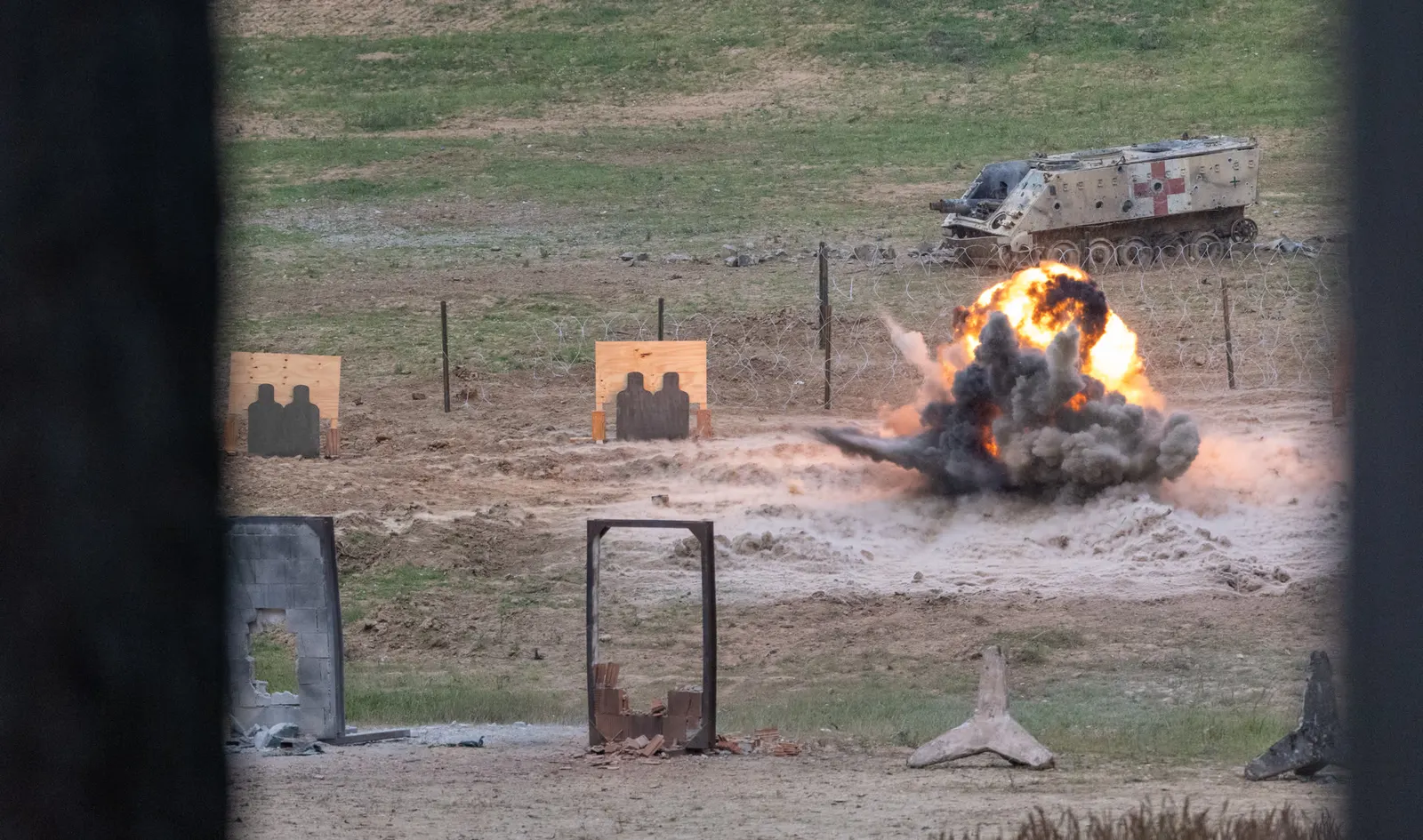 05
Explosives & bulk manufacturing
Explosives and energetic materials processed and manufactured to program requirements.
View details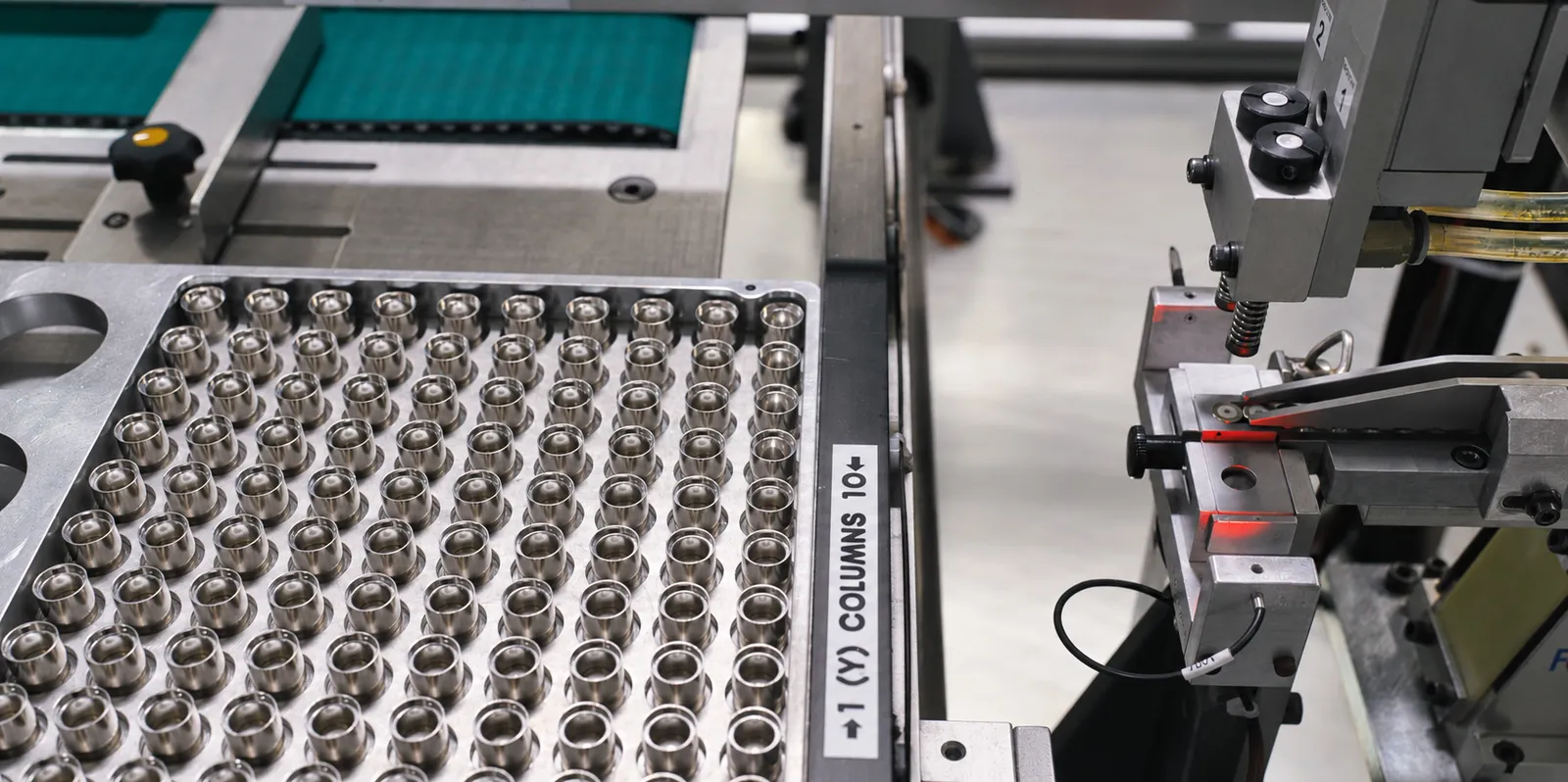 06
Custom cartridges
Cartridges developed and built to customer drawings and program-specific requirements.
View details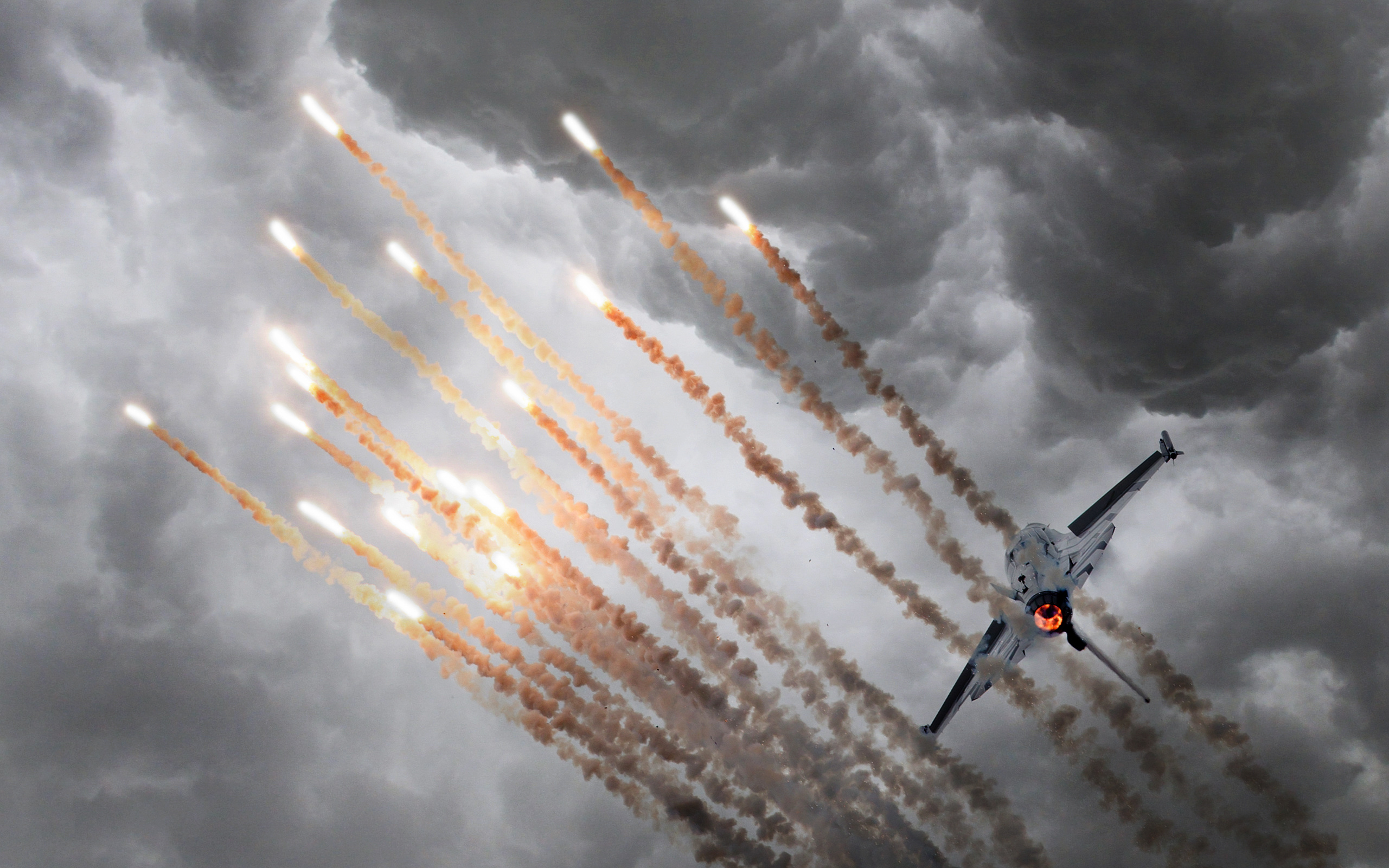
In service
Built in Colorado. Proven on the flight line.
Valor impulse cartridges power countermeasure dispensers that eject flares and chaff from U.S. military aircraft. Every cartridge is 100% inspected with lot-level serialized traceability.
Definitions
What is the difference between ordnance and pyrotechnic components?
Ordnance components
Ordnance is the broad defense term for munitions and the energetic devices that make them work. Ordnance components are the initiators, cartridges, charges and actuating devices inside larger systems.
Pyrotechnic components
Pyrotechnic components use pyrotechnic compositions, energetic mixtures that burn to produce heat, gas, light or a time delay, to start or power a defined function.
Where they overlap
In practice the two overlap. A squib or initiator is a pyrotechnic device used as an ordnance component, and an impulse cartridge uses energetic output to actuate a mechanism. See energetic materials, explosives and pyrotechnics for how the material families differ.
Process
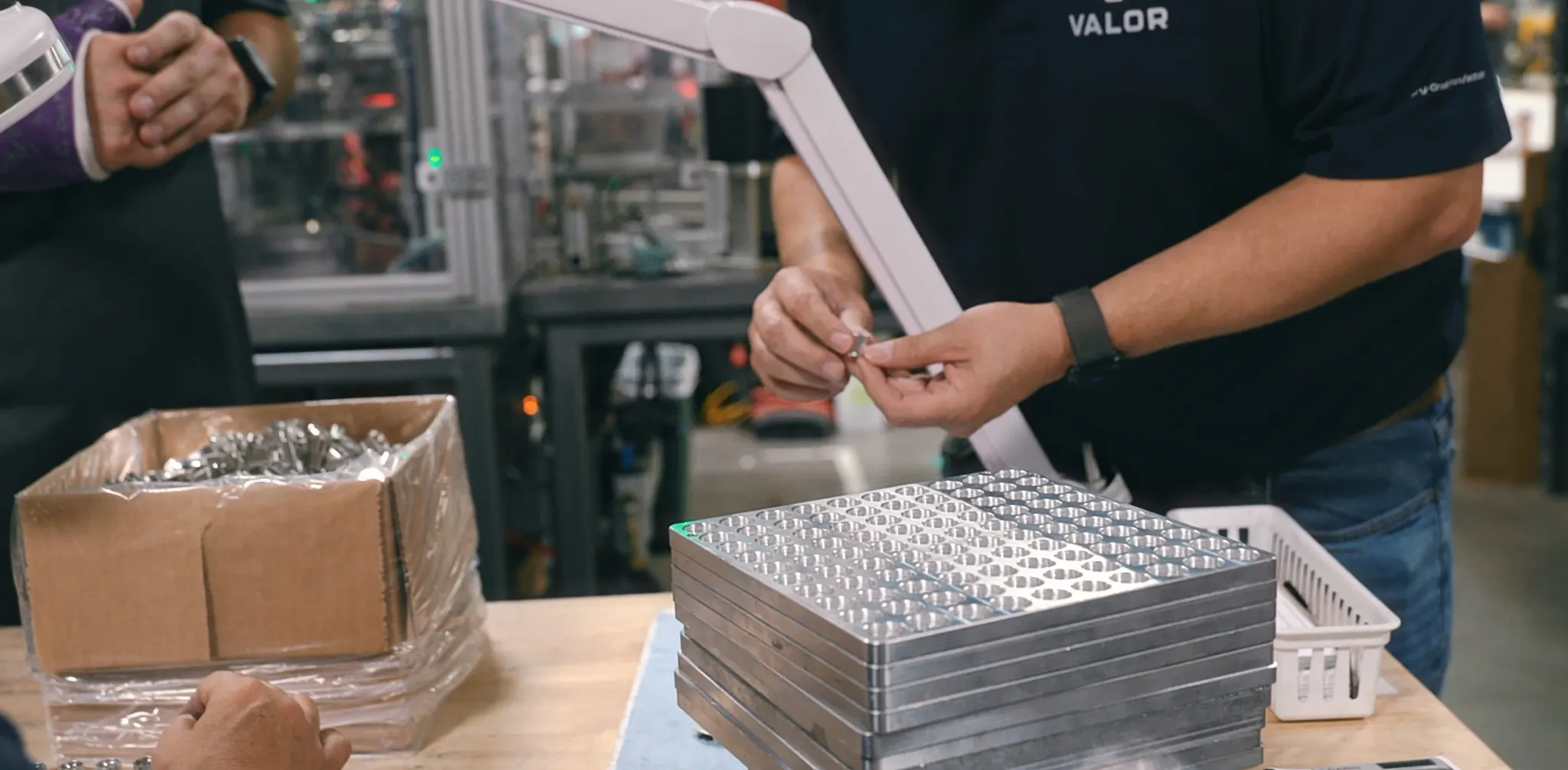
How are they made and tested?
Energetic materials
Material characterization, sonication and high-shear blending, dual centrifugal mixing, and weigh, load and press operations.
Components
Precision machining and forming of bodies, eyelets and rupture disks.
Assembly and sealing
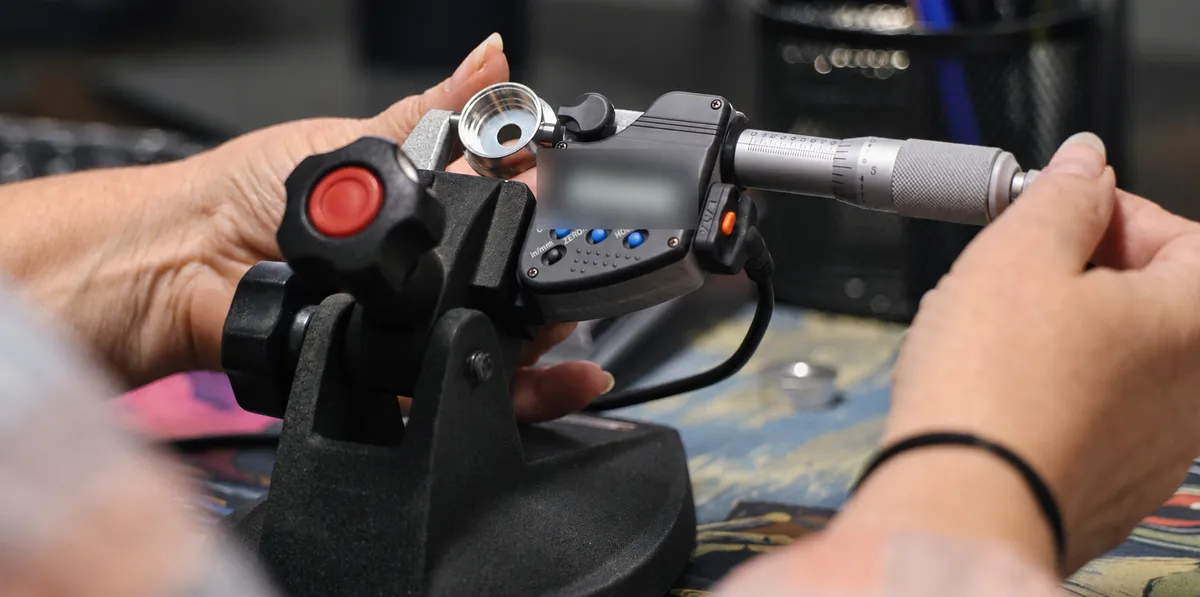
Bridgewire welding, solder integration, glass-to-metal sealing, laser hermetic sealing, and crimp and epoxy sealing.
Testing
Electrical testing, hydrostatic and helium leak testing, pressure bomb and velocity testing, and ESD and friction sensitivity testing.
Qualification
Environmental qualification including shock, vibration and climatic exposure, with lot traceability and test documentation.

Credentials
Credentials and production record
ITAR registered and CMMC Level 2
Registered with the U.S. Department of State (DDTC) and CMMC Level 2 compliant. CAGE 04099.
ISO 9001 and ISO 14001
Certified quality and environmental management systems, with AS9100 certification in progress.
Production at scale
More than 3 million cartridges per year and 25M+ energetic and mechanical devices delivered.
Prime contractor to the U.S. military
A prime contractor to the U.S. Army, Navy and Air Force, with manufacturing experience since 1968.
Frequently asked questions.
- Is Valor an energetics supplier for defense programs?
- Yes. Valor Tactical is a U.S. defense energetics company supplying initiators, squibs, EEDs, impulse cartridges, CAD/PAD devices and explosives to U.S. military programs and defense prime contractors.
- Does Valor make pyrotechnic devices?
- Yes. Valor manufactures pyrotechnic and energetic devices such as initiators, squibs and cartridges, with in-house energetic materials processing, sealing and testing.
- Where are Valor's ordnance components manufactured?
- Valor's energetic and ordnance components are manufactured at its site in Grand Junction, Colorado.
- Is Valor ITAR registered?
- Yes. Valor Tactical is ITAR registered with the U.S. Department of State (DDTC), CMMC Level 2 compliant, and operates under CAGE Code 04099.
Ready to discuss a component?
Request a quoteCountermeasure cartridges, impulse cartridges, pyrotechnics, and energetic devices.
Electric initiators and electro-explosive devices, sealed and tested in-house.
CCU-136A/A, CCU-145/A, BBU-36/B and BBU-48A/B cartridges for countermeasure dispensing.
Cartridge- and propellant-actuated devices for release, ejection and actuation.
ISO 9001, MIL-STD qualification, metrology, inspection, and testing.