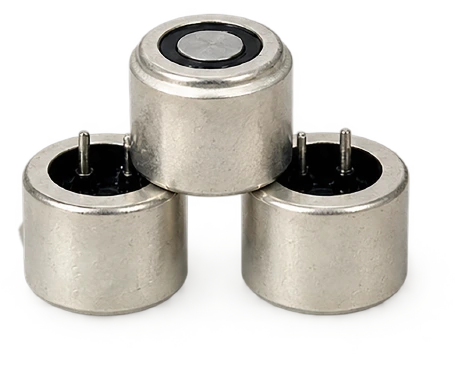
What does CAD/PAD mean?
CAD/PAD stands for cartridge-actuated devices and propellant-actuated devices. These devices combine energetic material with mechanical or electrical components to carry out a defined action, such as operating a release mechanism or supporting an aircraft escape sequence.
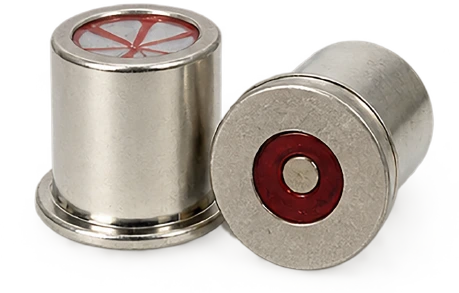
Valor Tactical manufactures cartridge-actuated products for airborne countermeasure equipment. Its product range includes the CCU-136A/A and CCU-145/A, which support energetic actuation within aircraft countermeasure dispensing systems.
Which cartridge-actuated products does Valor make?
A cartridge-actuated device uses the output of a cartridge to operate a mechanism. In aircraft countermeasure equipment, that action releases a payload from the dispenser.
| Product | Application |
|---|---|
| CCU-136A/A | Cartridge actuation for airborne countermeasure equipment |
| CCU-145/A | Cartridge actuation for airborne countermeasure equipment |
These CCU products are cartridge-actuation examples within Valor’s range. The wider CAD/PAD field also includes other types of devices with different functions.
How are CAD/PAD devices used in aircraft escape?
Aircraft escape systems bring several energetic functions together. Cartridges can start or operate mechanisms, while propellant-powered devices provide movement. The roles below describe the wider CAD/PAD field; Valor’s listed cartridges have their own specific applications.
- Initiation: Cartridges can start defined functions within an escape assembly.
- Mechanical actuation: Energetic output can operate a release or deployment mechanism.
- Coordinated events: Devices with prompt or delayed responses support the required sequence.
- Propellant-powered movement: PADs such as catapults and rocket motors provide force within aircrew escape systems.
How are CAD/PAD devices checked through their service life?
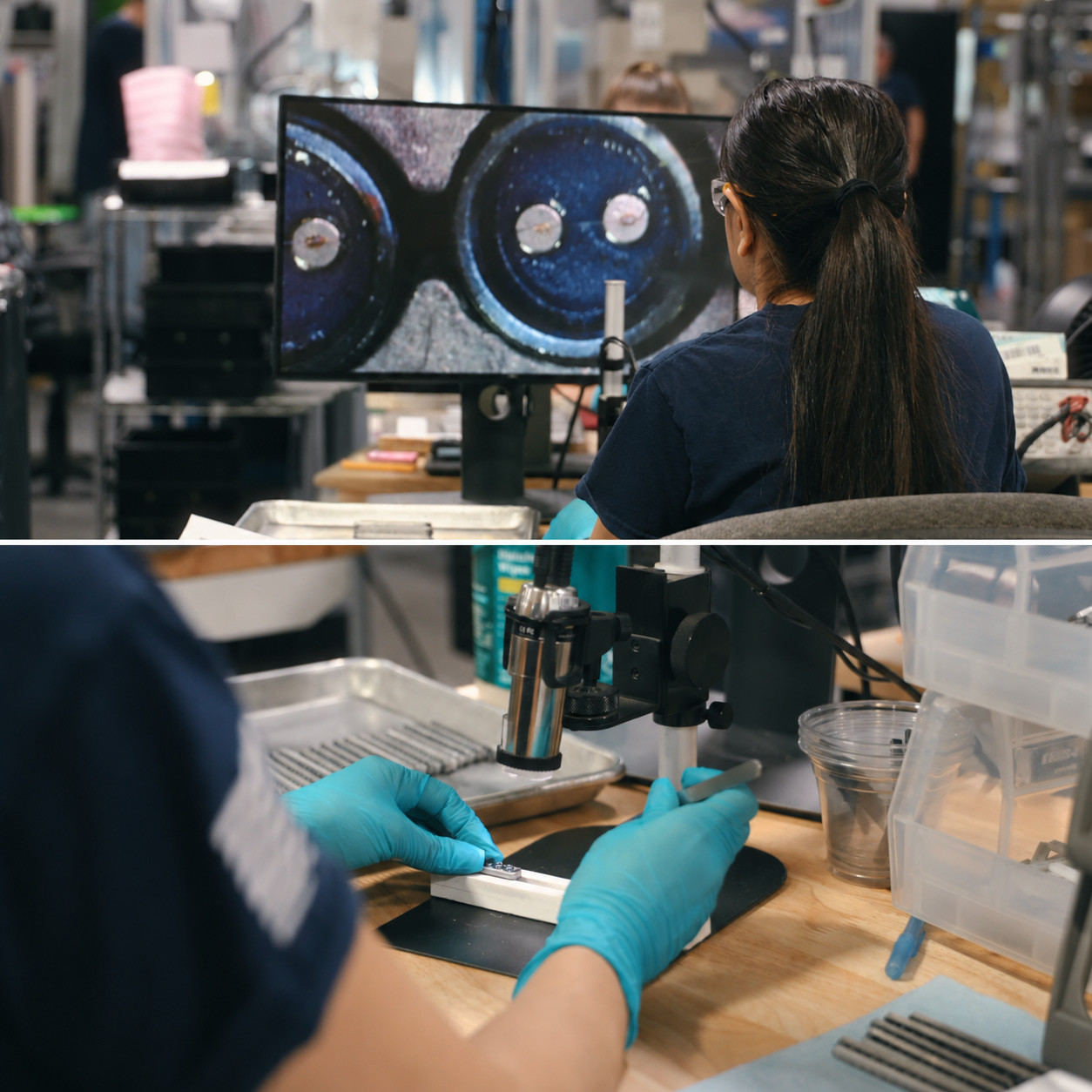
Qualification evaluates whether a design meets its intended requirements. Production acceptance checks manufactured hardware against the applicable requirements. These are different stages of establishing confidence in a device.
Many energetic devices are single-use items that spend much of their life in storage or installed equipment. Product identification, inspection records and service-life management help connect the condition of those devices with the systems they support.