CAD/PAD Explained: How Cartridge and Propellant Actuated Devices Work
CAD/PAD devices use energetic material to produce a fast, defined action: releasing, ejecting, deploying or moving equipment. Here is how cartridge- and propellant-actuated devices differ, where they are used, and how they are made and qualified.
Key points
- CAD/PAD stands for cartridge-actuated devices and propellant-actuated devices.
- A CAD usually triggers or operates a mechanism; a PAD usually moves something.
- Common uses include countermeasure dispensing, stores ejection, aircrew escape, and release and deployment.
- Qualification proves the design; production acceptance checks each lot.
What does CAD/PAD mean?
CAD/PAD stands for cartridge-actuated devices and propellant-actuated devices. Both use energetic material to produce a fast, defined action: releasing a latch, ejecting a store, deploying equipment or moving a seat or canopy. They are found mainly in defense aircraft and related equipment.
What is the difference between a CAD and a PAD?
- Cartridge-actuated devices (CADs) use a cartridge's gas output to operate a mechanism, such as a release, cutter or thruster. The cartridge supplies the energy; the mechanism does the work.
- Propellant-actuated devices (PADs) burn propellant to provide force and movement over a longer stroke. Catapults and rocket motors in aircrew escape systems are examples.
CAD vs. PAD at a glance
| Feature | Cartridge-actuated device (CAD) | Propellant-actuated device (PAD) |
|---|---|---|
| Energy source | A cartridge's gas output | A burning propellant charge |
| Typical action | Operates a mechanism: release, cut or thrust | Provides force and movement |
| Typical output | A quick gas pulse to operate a mechanism | Sustained force to move a load |
| Examples | Release mechanisms, cutters and thrusters | Catapults and rocket motors in aircrew escape |
Where are CAD/PAD devices used?
- Countermeasure dispensing. Impulse cartridges supply the energy to release payloads from aircraft dispensers.
- Stores ejection. Cartridges generate gas pressure to push carried equipment, such as fuel tanks or pods, away from an aircraft.
- Aircrew escape. Several devices work in sequence: cartridges start events, mechanisms release, and propellant-powered devices provide movement.
- Release and deployment. Energetic devices operate latches, cutters and other one-time mechanisms.
Key CAD/PAD terms
| Term | Meaning |
|---|---|
| Impulse cartridge | A cartridge that produces a short, high-pressure gas pulse to operate a mechanism |
| Initiator | A device that starts the energetic event, often from an electrical signal |
| Service life | How long a device can stay in storage or installed before it must be replaced |
| Lot acceptance testing (LAT) | Testing samples from a production lot before the lot is accepted |
How are CAD/PAD devices made?
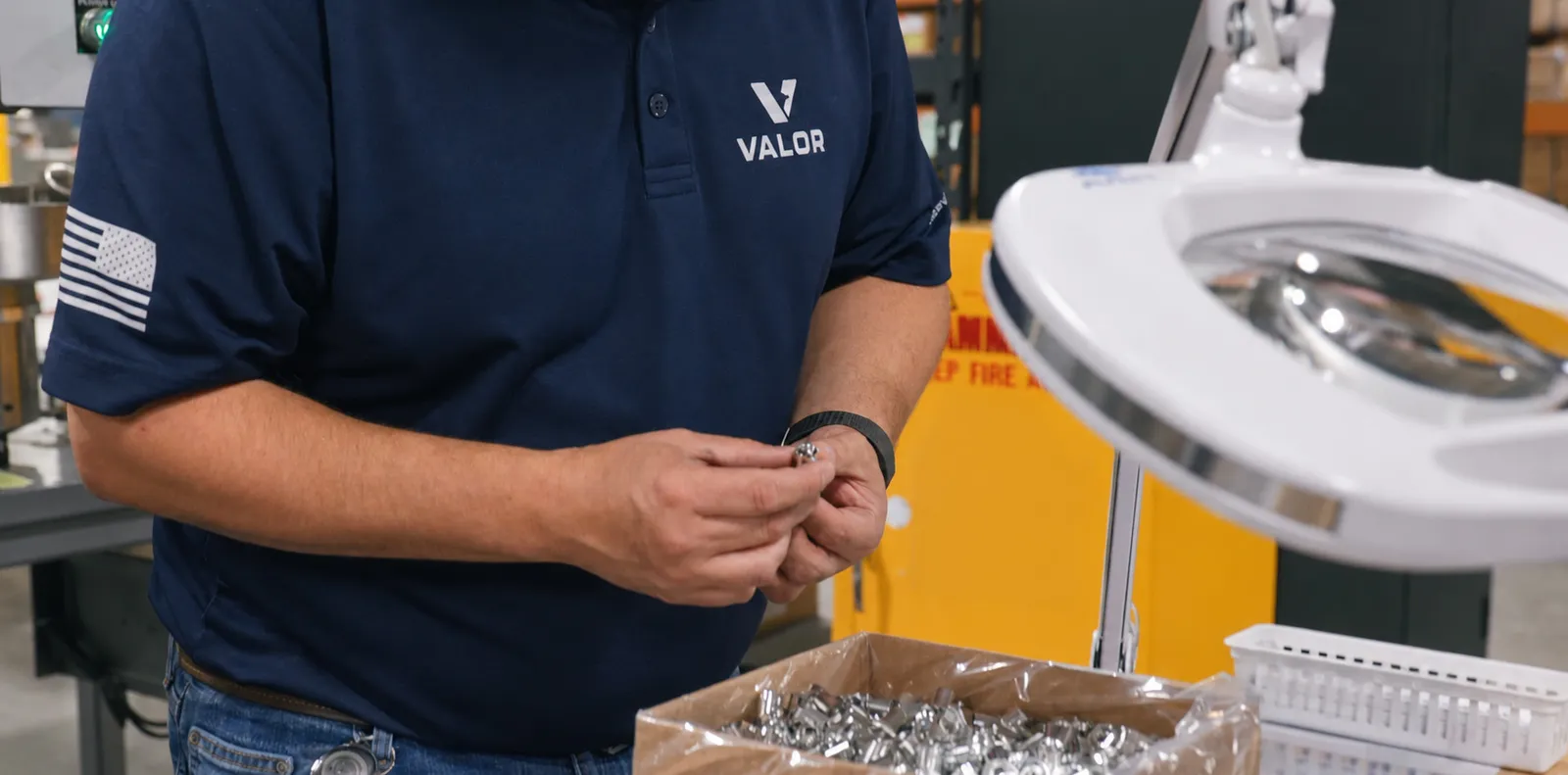
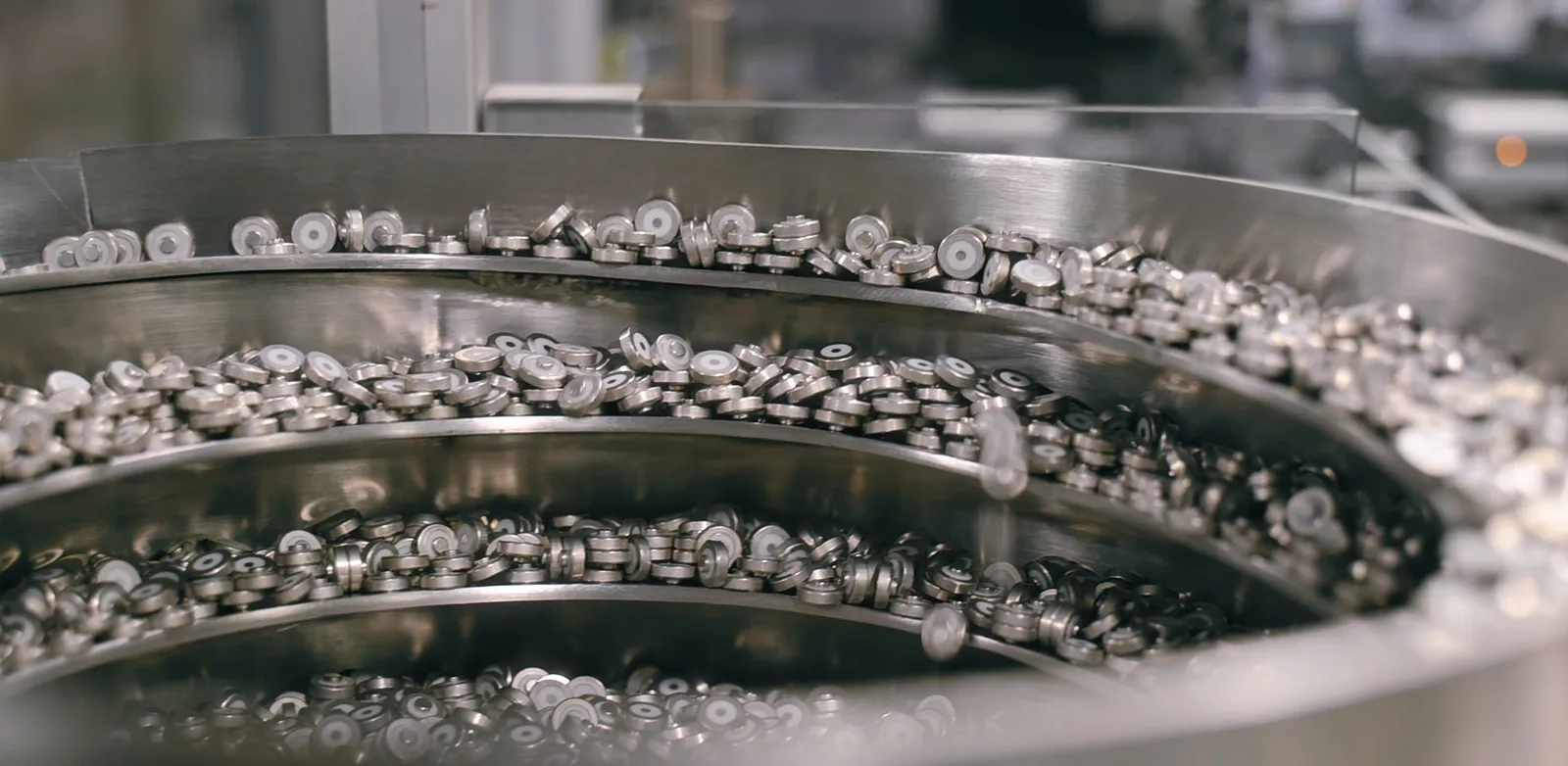
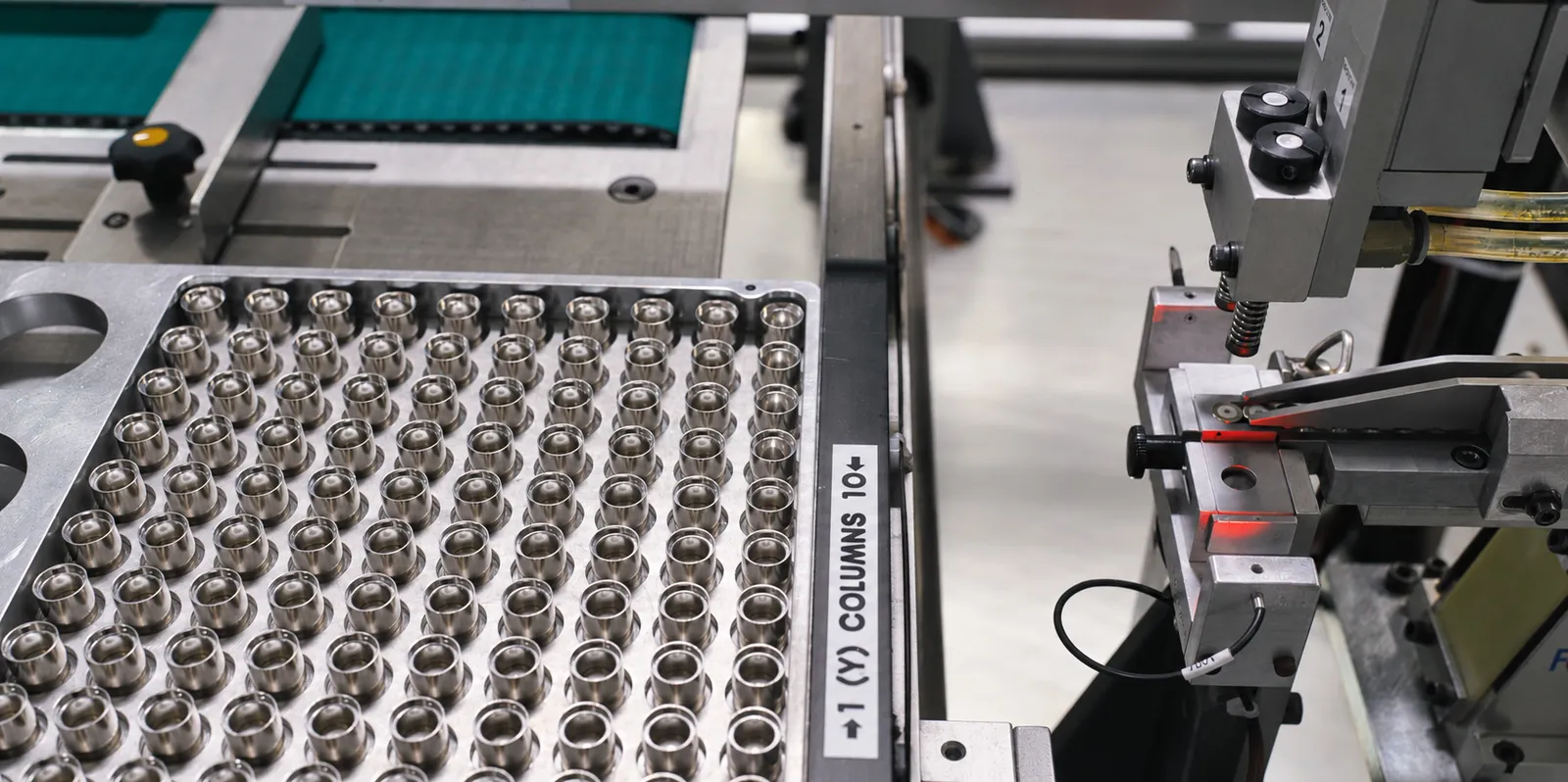
A typical device combines a machined body, an energetic charge and a sealing or closure system. Key steps include energetic materials processing, weighing and loading, pressing, assembly, and sealing. Many devices also use bridgewire welding or glass-to-metal sealing for electrical initiation.
How are CAD/PAD devices qualified and checked?
Qualification shows that a design meets its requirements. Production acceptance checks each manufactured lot against those requirements. They are different stages, and both matter.
Many CAD/PAD devices are single-use and spend much of their life in storage or installed equipment. Product identification, lot traceability, inspection records and service-life management connect each device to the systems it supports.
CAD/PAD at Valor Tactical
Valor Tactical manufactures cartridge-actuated products for airborne countermeasure equipment, including the CCU-136A/A and CCU-145/A, and the MK 107 and MK 17 stores-ejection cartridges. Processing, loading, sealing and testing happen in-house in Grand Junction, Colorado. Valor also offers custom cartridge manufacturing for program-specific requirements. See CAD/PAD manufacturing.
Frequently asked questions
Are CAD/PAD devices single-use?
Most are. They function once and are tracked so they can be replaced at the end of their service life.
What is the difference between a CAD/PAD and an initiator?
An initiator starts the energetic event. A CAD or PAD uses that event to do work, such as releasing a latch or moving a seat. Many CAD/PAD devices are fired by an initiator.
What is an impulse cartridge?
A cartridge that produces a short, high-pressure gas pulse to operate a mechanism, such as releasing a countermeasure payload. See impulse cartridges.
Does Valor make custom CAD/PAD cartridges?
Yes. Valor offers custom cartridge manufacturing to customer drawings and specifications. See custom cartridge manufacturing.
Have a requirement?
Send us a message and our team will follow up. Valor Tactical is ITAR registered, ISO 9001 and ISO 14001 certified, and CMMC Level 2.
Contact us